Home Blog Page 290

cPanel Reseller Hosting with Tremhost

Eyeglasses, calculator, pen and notebook over red background written with RESELLER.

Launch Your Hosting Business – Starting at $5

Overview

Tremhost offers a range of cPanel reseller hosting solutions designed for entrepreneurs who want to start their own hosting business. With a focus on affordability and performance, Tremhost provides various plans and features.

Key Features

  • Performance: Optimized environments ensure high-speed performance with SSD storage and caching layers.
  • 24×7 Live Chat & WhatsApp Support: Dedicated support available around the clock for you and your clients.
  • Overselling: Flexible resources allow you to maximize your hosting capabilities.
  • White Labeling: 100% white-labeled solutions to build your brand.

Reseller Hosting Plans

Reseller 6 Solution

  • Price: $21.99/mo
  • Features:
    • Unlimited cPanel accounts
    • 200 GB SSD storage
    • 2 TB bandwidth
    • Softaculous auto script installer
    • Free WHMCS license
    • LiteSpeed & CloudLinux
    • Unlimited mailboxes
    • Automatic SSL installation
    • 24-hour website migration

Reseller 7 Solution

  • Price: $29.99/mo
  • Features:
    • Unlimited cPanel accounts
    • 400 GB SSD storage
    • 5 TB bandwidth
    • All features from Reseller 6

Reseller 8 Solution

  • Price: $34.99/mo
  • Features:
    • Unlimited cPanel accounts
    • 500 GB SSD storage
    • 10 TB bandwidth
    • All features from Reseller 6 and 7

Lifetime Reseller Offers

Lifetime Reseller 1

  • One-time Payment: $300
  • Features:
    • Unlimited cPanel accounts
    • 25 GB SSD storage
    • 250 GB bandwidth

Lifetime Reseller 5

  • One-time Payment: $500
  • Features:
    • Unlimited cPanel accounts
    • 100 GB SSD storage
    • 1 TB bandwidth

Lifetime Reseller 9

  • One-time Payment: $1,000
  • Features:
    • Unlimited cPanel accounts
    • 1 TB SSD storage
    • 20 TB bandwidth

Why Choose Tremhost?

  • Local Expertise: Tailored for African entrepreneurs with local currency support.
  • Straightforward Pricing: Predictable renewals with no surprise fees.
  • Scalable Infrastructure: Upgrade easily as your client base grows.
  • 99.9% Uptime Guarantee: Reliable service with proactive monitoring.

Conclusion

Tremhost is an excellent choice for anyone looking to start a reseller hosting business with comprehensive features and support. With a range of affordable plans and a focus on the African market, you can build a successful hosting business with confidence.

Become a Reseller Now and Start Your Journey!

List of Free Web Hosting Providers That Actually Work in 2025

If you’re looking for reliable free web hosting options in 2025, here’s a list of providers that are known for their functionality and features. While free hosting comes with limitations, these platforms can be useful for personal projects, learning, or small websites.

1. InfinityFree

  • Features: Unlimited disk space and bandwidth, free subdomain, no ads.
  • Ideal For: Personal projects and small websites.

2. 000webhost

  • Features: 1 GB disk space, 10 GB bandwidth, one-click WordPress installation.
  • Ideal For: Beginners and small blogs.

3. FreeHosting

  • Features: 10 GB disk space, unlimited bandwidth, supports PHP and MySQL.
  • Ideal For: Small business websites.

4. ByetHost

  • Features: 1 GB disk space, 50 GB bandwidth, free subdomain, and a control panel.
  • Ideal For: Learning and testing.

5. AwardSpace

  • Features: 1 GB disk space, 5 GB bandwidth, one-click installer.
  • Ideal For: Personal websites and testing.

6. FreeWebHosting

  • Features: 1 GB disk space, unlimited bandwidth, no ads.
  • Ideal For: Simple websites and blogs.

7. GoogieHost

  • Features: 1 GB disk space, unlimited bandwidth, free subdomain, and cPanel.
  • Ideal For: Beginners and small projects.

8. WebFreeHosting

  • Features: 1 GB disk space, 5 GB bandwidth, supports PHP and MySQL.
  • Ideal For: Basic websites and learning.

9. Flaunt7

  • Features: 1 GB disk space, unlimited bandwidth, supports PHP.
  • Ideal For: Simple personal sites.

10. Biz.nf

  • Features: 1 GB disk space, unlimited bandwidth, free domain registration.
  • Ideal For: Small business websites.

Conclusion

These free web hosting providers offer various features suitable for different needs. While they can be great for personal projects or learning, always consider the limitations and potential need for upgrades as your website grows.

Building a Website on Free Hosting: Expectations vs Reality

Creating a website using free hosting can be an appealing option for many, especially for beginners or those on a tight budget. However, it’s essential to understand the differences between expectations and reality when it comes to free hosting. Here’s a look at what you might expect versus what you may actually experience.

Expectations

1. Cost Savings

  • Expectation: Free hosting means zero costs, making it a great option for anyone.
  • Reality: While there are no direct costs, hidden expenses may arise, such as purchasing a domain name or needing to upgrade for better features.

2. Easy Setup

  • Expectation: Setting up a website will be quick and straightforward.
  • Reality: While many free hosts offer user-friendly interfaces, the setup process can still be complicated, especially for beginners unfamiliar with web development.

3. Sufficient Resources

  • Expectation: Free hosting will provide enough bandwidth and storage for a small website.
  • Reality: Free plans often come with limited resources, which can lead to slow performance and restrictions as your site grows.

4. Professional Appearance

  • Expectation: A free hosting plan will allow for a professional-looking website.
  • Reality: Free hosting often includes ads or subdomains (e.g., yoursite.provider.com), which can detract from your site’s professionalism.

5. Full Control

  • Expectation: You’ll have complete control over your website and its features.
  • Reality: Many free hosts limit customization options, and you may not have access to advanced features like SSL certificates or custom scripts.

Reality

1. Performance Issues

  • Reality: Many free hosting services experience slower load times and frequent downtime, which can frustrate users and hurt your SEO.

2. Security Risks

  • Reality: Free hosting providers often lack robust security features, making your site more vulnerable to attacks and data breaches.

3. Limited Support

  • Reality: Customer support is often minimal or non-existent, leaving you to troubleshoot issues on your own.

4. Upgrade Pressure

  • Reality: As your website grows, you may find yourself needing to upgrade to a paid plan to access the resources and features you require.

5. Ad-Driven Experience

  • Reality: Many free hosts display ads on your site, which can detract from the user experience and harm your brand image.

Conclusion

Building a website on free hosting can be a viable option for testing ideas or personal projects, but managing expectations is crucial. Understanding the limitations and potential challenges can help you make informed decisions. For serious projects or businesses, investing in a reliable paid hosting service is often the best path for growth, performance, and professionalism.

Personal Finance Apps: Digital Tools for Smarter Money Management

Personal Finance Apps: Digital Tools for Smarter Money Management

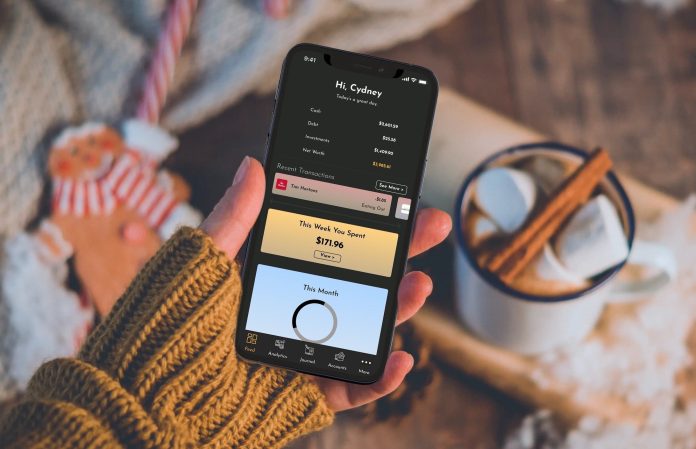
In today’s fast-paced digital world, managing your finances has never been easier. Personal finance apps are transforming the way we budget, save, and invest—putting smarter money management right at your fingertips. Whether you’re just starting your financial journey or looking to optimize your existing strategy, these digital tools can empower you to take control of your money and secure your financial future.

Why Personal Finance Apps Matter

Personal finance apps streamline your financial life by consolidating your accounts, tracking your spending, and providing insights tailored to your habits. They simplify budgeting, help you set savings goals, and even offer investment advice—all through a user-friendly interface that works on your smartphone or tablet.

  • Budgeting Made Easy: Automate your expense tracking and see where your money is going in real time.
  • Savings Goals: Set targets and watch your progress, with reminders and tips to keep you on track.
  • Investment Insights: Get personalized recommendations and market updates to make informed decisions.
  • Security and Convenience: Enjoy robust encryption and secure access to all your financial data, anytime, anywhere.

Top Features to Look For

When choosing a personal finance app, consider the features that will best support your financial goals:

  • Account Aggregation: Link multiple bank accounts, credit cards, and investment portfolios to see a complete financial picture.
  • Customizable Budgeting: Tailor your budget categories and set spending limits to match your lifestyle.
  • Bill Reminders: Never miss a due date with automatic alerts for bills and recurring payments.
  • Financial Goal Setting: Define goals for saving, debt repayment, or investing, and track your progress over time.
  • Data Insights and Analytics: Leverage graphs and reports to understand your spending trends and identify opportunities to save.
  • User-Friendly Interface: A clean, intuitive design makes it easy to navigate and manage your finances.

Actionable Steps for Smarter Money Management

  1. Evaluate Your Financial Needs:
    Assess your current spending, savings, and investment habits to determine which features will help you the most. Whether you need robust budgeting tools or detailed investment tracking, choose an app that aligns with your priorities.
  2. Research and Compare Apps:
    Look at popular options such as Mint, YNAB (You Need A Budget), Personal Capital, and others. Read user reviews and compare features, pricing, and security measures.
  3. Set Up Your Accounts:
    Once you choose an app, securely link your bank accounts, credit cards, and investment portfolios. This will provide a holistic view of your finances and enable accurate tracking.
  4. Create a Realistic Budget:
    Use the app’s tools to set up a budget based on your income and essential expenses. Customize your spending categories and set limits to avoid overspending.
  5. Monitor Your Progress:
    Regularly review the insights and reports provided by your app. Adjust your budget or financial goals as needed, and celebrate small victories along the way.
  6. Stay Engaged:
    Many apps offer educational content, financial tips, and community support. Leverage these resources to continuously improve your money management skills.

Embrace the Digital Future of Finance

Personal finance apps are more than just digital tools—they’re your partners in achieving financial freedom. By automating and simplifying money management, these apps empower you to make smarter decisions, reduce financial stress, and build a secure future.

Ready to transform your financial life? Explore the top personal finance apps today, set up your accounts, and take the first step toward smarter money management. Your journey to financial empowerment starts with a single tap!

How to Launch an Online Course That Actually Sells

How to Launch an Online Course That Actually Sells

Launching an online course can be a game changer for your business or personal brand—but success doesn’t happen by accident. It takes strategic planning, quality content, and a well-crafted marketing plan to create a course that truly resonates and sells. Here’s your step-by-step guide to building and launching an online course that attracts learners and generates revenue.

1. Validate Your Course Idea

  • Identify a Real Need:
    Conduct market research to uncover problems your target audience faces. Look for gaps in existing courses and consider how your expertise can offer unique value.
  • Engage Your Audience:
    Use surveys, social media polls, or one-on-one interviews to confirm that your topic is in demand. Feedback from potential learners helps shape your course content.
  • Analyze the Competition:
    Study what similar courses offer. Identify their strengths and weaknesses, and determine how you can differentiate your course to provide a superior learning experience.

2. Create High-Quality, Engaging Content

  • Plan Your Curriculum:
    Break down your course into modules and lessons that build on each other. Ensure each section has clear learning objectives and practical takeaways.
  • Invest in Production:
    Use professional-quality audio, video, and graphics to enhance your content. Engaging visuals and interactive elements can make the learning experience more dynamic and memorable.
  • Include Supporting Materials:
    Supplement your lessons with downloadable resources, quizzes, assignments, and discussion prompts. These extras not only boost engagement but also add value to your course.

3. Develop a Robust Marketing Strategy

  • Build an Email List:
    Start collecting emails well before your launch. Offer a free resource or mini-course to attract potential students and nurture them with valuable content leading up to the launch.
  • Create a Sales Funnel:
    Develop landing pages, webinars, and social media content that guide prospects from awareness to enrollment. Use storytelling and testimonials to build trust and credibility.
  • Leverage Influencers and Affiliates:
    Partner with influencers or bloggers in your niche who can help promote your course. Affiliate programs provide an incentive for others to recommend your course to their audiences.

4. Set Up the Right Platforms and Tools

  • Choose a Course Platform:
    Select a reliable online course platform (like Teachable, Thinkific, or Kajabi) that fits your needs in terms of pricing, features, and user experience.
  • Optimize for Mobile:
    Ensure your course content is accessible on multiple devices. A mobile-friendly experience can expand your reach and cater to busy learners on the go.
  • Integrate Analytics:
    Use analytics tools to track enrollment, engagement, and completion rates. Data-driven insights can help you refine your course and marketing efforts over time.

5. Launch and Iterate

  • Pre-Launch Hype:
    Create buzz with teasers, countdowns, and early-bird discounts. Engage with your community through live Q&A sessions or webinars to address questions and showcase the value of your course.
  • Launch Day Execution:
    Monitor your course’s performance closely on launch day. Be ready to answer questions, address technical issues, and collect immediate feedback from your early adopters.
  • Post-Launch Improvements:
    Use learner feedback to update your content and enhance the course experience. Continuous improvement not only increases satisfaction but also leads to positive reviews and referrals.

Final Thoughts

Launching an online course that actually sells requires a blend of passion, expertise, and strategic planning. By validating your idea, producing high-quality content, and crafting an effective marketing strategy, you can build a course that not only educates but also inspires action. With dedication and persistence, your course can become a valuable resource that drives both learning and revenue.

Ready to turn your expertise into an online course success story? Start planning today, and watch as your course transforms into a powerful engine for growth and impact.

Remote Team Building: Fostering a Positive Culture Online

Remote Team Building: Fostering a Positive Culture Online

In an increasingly digital world, building a cohesive and motivated remote team is essential for success. Creating a positive online culture goes beyond virtual meetings—it involves intentional strategies that foster connection, trust, and collaboration. This guide provides actionable tips and best practices to help you nurture a thriving remote work environment.

The Importance of Remote Team Building

Remote teams often face challenges like isolation and communication gaps, which can hinder productivity and morale. By investing in team building, you create opportunities for employees to connect on a personal level, develop stronger bonds, and align with the company’s culture. A positive remote culture leads to improved engagement, better collaboration, and ultimately, greater business success.

Actionable Strategies for Building a Positive Remote Culture

1. Create Structured Onboarding Programs

  • Comprehensive Introductions: Develop an onboarding process that introduces new hires to the team, company values, and communication tools.
  • Mentorship Opportunities: Pair new employees with experienced team members to guide them through the remote work environment.

2. Foster Regular Communication

  • Daily or Weekly Check-Ins: Schedule regular video calls or virtual stand-up meetings to keep everyone in sync.
  • Open Communication Channels: Utilize tools like Slack or Microsoft Teams to encourage real-time discussions and foster informal interactions.

3. Encourage Social Interactions

  • Virtual Coffee Breaks: Organize casual online gatherings where team members can share personal stories, hobbies, and interests.
  • Team Building Activities: Plan virtual games, quizzes, or themed events that promote fun and camaraderie.

4. Recognize and Celebrate Achievements

  • Employee Recognition: Use digital platforms to acknowledge individual and team accomplishments, both big and small.
  • Celebratory Events: Host virtual celebrations for milestones, birthdays, or project completions to keep morale high.

5. Invest in Professional Development

  • Online Workshops and Courses: Provide opportunities for continuous learning and skill development.
  • Career Growth Discussions: Hold regular one-on-one sessions to discuss career goals, challenges, and opportunities for advancement.

6. Cultivate a Feedback-Driven Culture

  • Regular Surveys: Implement feedback loops through anonymous surveys or suggestion boxes to understand team needs.
  • Actionable Improvements: Act on feedback promptly to demonstrate that every team member’s voice matters.

7. Establish Clear Goals and Expectations

  • Transparent Objectives: Clearly communicate company goals and individual responsibilities to align efforts.
  • Performance Metrics: Utilize collaborative tools to track progress and celebrate collective success.

Building Trust in a Virtual Environment

Trust is the cornerstone of any successful remote team. Encourage transparency, accountability, and regular communication. By fostering an environment where team members feel valued and supported, you create a culture that not only boosts productivity but also makes remote work an enjoyable and engaging experience.

The Future of Remote Team Building

As remote work continues to evolve, the strategies for team building must adapt. Embrace technology, remain open to new ideas, and continuously refine your approach to meet the unique needs of your team. A positive remote culture is built over time through consistent effort and genuine care for each team member.

Ready to transform your remote team? Start by implementing these strategies, and watch as a strong, connected, and positive online culture propels your team to new heights of success.

At-Home Fitness Tech: Top Gadgets to Level Up Your Routine

At-Home Fitness Tech: Top Gadgets to Level Up Your Routine

Imagine transforming your living space into a state-of-the-art workout zone where technology fuels your fitness goals. From smart wearables to interactive equipment, at-home fitness tech is redefining the way we exercise. Whether you’re a beginner or a seasoned athlete, these cutting-edge gadgets can help you track progress, stay motivated, and get the most out of every workout.

Must-Have Gadgets for a High-Tech Home Gym

1. Smart Wearables

  • Fitness Trackers and Smartwatches: Monitor your heart rate, steps, calories burned, and sleep patterns. Models like the Apple Watch or Fitbit provide real-time feedback to help you fine-tune your training.
  • Performance Metrics: Advanced wearables also offer GPS tracking and workout-specific insights, perfect for runners, cyclists, and outdoor enthusiasts.

2. Interactive Exercise Equipment

  • Smart Treadmills and Bikes: Devices like Peloton or NordicTrack integrate live and on-demand classes, allowing you to experience the energy of a studio workout right in your home.
  • Connected Rowers and Ellipticals: These machines come equipped with built-in screens and interactive coaching, helping you maintain proper form and track performance metrics.

3. Virtual Reality (VR) Fitness Systems

  • Immersive Workouts: VR platforms such as Supernatural or FitXR turn your exercise routine into a captivating game, making cardio and strength training sessions more engaging.
  • Customized Experiences: Enjoy personalized workouts that adjust in difficulty based on your performance, keeping you challenged and motivated.

4. Smart Home Gym Systems

  • All-in-One Fitness Mirrors: Products like Mirror or Tonal offer a variety of classes and real-time feedback. These devices not only function as mirrors but also provide guided workouts and performance tracking.
  • Modular Home Gyms: These versatile systems allow you to perform a range of exercises from strength training to yoga, all while providing data to help optimize your routine.

5. Recovery and Wellness Tech

  • Smart Massage Devices: Tools like percussive therapy devices or smart foam rollers help accelerate recovery and reduce muscle soreness.
  • Sleep and Stress Monitors: Devices that track sleep quality and stress levels can provide insights into how well you’re recovering from your workouts and overall wellness.

Tips for Integrating Fitness Tech into Your Routine

  • Start Small: Begin by adding one or two gadgets to your routine. This allows you to gradually incorporate technology without feeling overwhelmed.
  • Set Clear Goals: Define what you want to achieve—whether it’s improving endurance, building strength, or losing weight. Use your devices to track progress toward these goals.
  • Create a Dedicated Space: Set up a specific area in your home where you can comfortably use your fitness tech. A well-organized space can enhance your workout experience.
  • Leverage Data: Use the data provided by your gadgets to adjust your training plan. Look for trends and insights that can help you refine your approach over time.
  • Stay Connected: Many fitness tech platforms offer community features. Engage with others, join live classes, or participate in challenges to keep your motivation high.

Embrace the Future of Fitness

At-home fitness tech is not just about convenience—it’s about maximizing your potential and making every workout count. With the right gadgets, you can create an interactive, personalized, and highly efficient home gym that adapts to your evolving fitness needs.

Ready to level up your routine? Explore these innovative devices and take the first step towards a smarter, more dynamic approach to fitness at home. Your journey to a healthier lifestyle is now just a gadget away!

Getting Started with eSports: A Beginner’s Guide to Competitive Gaming

Getting Started with eSports: A Beginner’s Guide to Competitive Gaming

Are you ready to level up your gaming skills and dive into the world of competitive eSports? Whether you’re a casual player looking to take the plunge or an aspiring pro eager to make your mark, this guide will help you navigate the exciting, fast-paced realm of eSports. Discover the fundamentals, hone your skills, and learn how to join a community where passion meets performance.

Understanding eSports

eSports, or electronic sports, refers to competitive video gaming at a professional level. It’s a rapidly growing industry where players and teams compete in tournaments for glory, recognition, and substantial prize pools. From strategy games and first-person shooters to sports simulations and fighting games, there’s a niche for every type of gamer.

Why Get Into Competitive Gaming?

  • Skill Development: Improve your hand-eye coordination, strategic thinking, and reaction times.
  • Community and Networking: Join a vibrant community of like-minded individuals, build friendships, and even form teams.
  • Career Opportunities: Beyond playing, eSports offers roles in coaching, streaming, event management, and content creation.
  • Entertainment and Fun: Experience the thrill of competition, and enjoy the adrenaline rush of live tournaments.

Steps to Kickstart Your eSports Journey

1. Choose Your Game

  • Identify Your Passion: Focus on a game you truly enjoy and feel passionate about.
  • Research the Scene: Look into the competitive landscape of the game. Consider its tournament structure, community size, and support from game developers.

2. Invest in the Right Gear

  • Hardware: Ensure your PC or console meets the game’s system requirements. Upgrading your monitor, keyboard, mouse, or controller can significantly enhance your performance.
  • Internet Connection: A fast and stable internet connection is critical for seamless online gameplay.

3. Master the Basics

  • Tutorials and Practice Modes: Use in-game tutorials and practice sessions to get familiar with game mechanics.
  • Watch and Learn: Follow professional players, watch live streams, and study gameplay strategies. Platforms like Twitch and YouTube are great resources for learning tips and tricks.
  • Join Online Communities: Engage with forums, Discord servers, or social media groups dedicated to your game. These communities offer valuable insights, strategies, and support.

4. Develop Your Skills

  • Regular Practice: Set aside dedicated time to practice, focusing on both individual skill and team play.
  • Coaching and Mentorship: Consider working with a coach or joining amateur leagues. Constructive feedback can accelerate your improvement.
  • Analyze Your Gameplay: Record your sessions and review them to identify areas for improvement.

5. Get Involved in Tournaments

  • Local and Online Competitions: Start with smaller tournaments or online ladders to gain competitive experience.
  • Team Up: Join or form a team to compete in team-based events. Teamwork and communication are essential in many eSports titles.
  • Learn from Defeats: Use each competition as a learning opportunity, refining your strategies and mindset after every match.

6. Stay Committed and Have Fun

  • Set Realistic Goals: Understand that success in eSports takes time and dedication. Set achievable milestones and celebrate your progress.
  • Maintain Balance: Ensure you balance practice with rest, exercise, and social activities to avoid burnout.
  • Enjoy the Journey: Remember, the path to becoming a competitive gamer should be as rewarding and enjoyable as the victories themselves.

Embrace the Competitive Spirit

The world of eSports is dynamic and challenging, but with the right approach and unwavering dedication, you can carve out your niche in the competitive gaming arena. From choosing your game and investing in quality gear to honing your skills and engaging with the community, every step you take is a move closer to realizing your eSports dreams.

Ready to jump in? Gear up, join the community, and start your journey toward becoming a competitive gamer today. The future of eSports is waiting—are you ready to play?

Smart Homes 101: Integrating IoT Devices for a Seamless Lifestyle

Smart Homes 101: Integrating IoT Devices for a Seamless Lifestyle

Imagine living in a home where everything works in perfect harmony—lights adjust to your mood, thermostats optimize energy usage, and security systems keep you safe, all at the touch of a button. Smart homes, powered by the Internet of Things (IoT), are transforming our living spaces into interconnected hubs that bring unparalleled convenience and efficiency. Whether you’re a tech enthusiast or just starting out, here’s your practical guide to integrating IoT devices for a seamless lifestyle.

What Makes a Smart Home?

A smart home leverages IoT devices—ranging from smart speakers and thermostats to security cameras and lighting systems—that communicate with each other and can be managed via your smartphone or voice commands. The benefits include:

  • Enhanced Convenience: Automate routine tasks and control your home environment remotely.
  • Energy Efficiency: Monitor and optimize energy consumption with smart thermostats and lighting.
  • Improved Security: Stay connected with real-time alerts and remote surveillance.
  • Personalized Living: Tailor your environment to match your lifestyle and preferences.

Steps to Transform Your Home into a Smart Home

1. Assess Your Needs and Goals

  • Identify Priorities: Decide which aspects of your home life could benefit most from smart technology. Is it energy management, security, or overall convenience?
  • Set a Budget: Determine how much you’re willing to invest. Start small and gradually expand your smart home ecosystem.

2. Choose a Central Hub

  • Smart Speakers and Controllers: Devices like Amazon Echo, Google Nest Hub, or Apple HomePod can serve as the central command center, allowing you to control multiple devices with voice commands.
  • Compatibility: Ensure your chosen hub is compatible with a wide range of devices for a cohesive smart home experience.

3. Select Essential IoT Devices

  • Smart Lighting: Install smart bulbs and switches that allow you to adjust brightness and color, schedule lighting, and reduce energy usage.
  • Thermostats: Upgrade to a smart thermostat that learns your schedule and adjusts temperatures for maximum comfort and efficiency.
  • Security Systems: Enhance home safety with smart locks, doorbells, and cameras that provide real-time monitoring and remote access.
  • Home Appliances: Consider smart plugs and appliances that let you control devices remotely, making everyday tasks easier and more efficient.

4. Integrate and Automate

  • Create Routines: Use your central hub’s app to set up automation routines. For instance, program your lights and thermostat to adjust automatically when you leave or return home.
  • Voice Control: Experiment with voice commands to control your devices hands-free. Practice commands for turning off lights, checking the weather, or playing your favorite music.

5. Secure Your Network

  • Strong Passwords: Protect your smart home devices with unique, strong passwords.
  • Regular Updates: Keep your devices’ firmware updated to ensure you benefit from the latest security features.
  • Network Segmentation: Consider setting up a separate network for your IoT devices to limit potential vulnerabilities.

Benefits of a Seamless Smart Home

  • Simplified Living: Enjoy the convenience of having your home adapt to your needs, reducing the time and effort spent on daily chores.
  • Cost Savings: Optimize energy consumption to lower utility bills while reducing your environmental footprint.
  • Enhanced Comfort: Experience a home environment that is always aligned with your personal preferences, making every day more enjoyable.
  • Peace of Mind: Monitor and secure your home remotely, ensuring safety and security even when you’re away.

Embrace the Future Today

Integrating IoT devices into your home isn’t just a trend—it’s a smart investment in your lifestyle and future. By taking small, manageable steps, you can create a seamless smart home environment that enhances comfort, security, and efficiency.

Ready to transform your living space? Start by assessing your needs, choosing the right devices, and gradually building your smart home ecosystem. With a little planning and a few smart investments, the future of effortless, interconnected living is right at your fingertips.

Understanding the Internet of Behaviors (IoB) and Its Impact on Marketing

Understanding the Internet of Behaviors (IoB) and Its Impact on Marketing

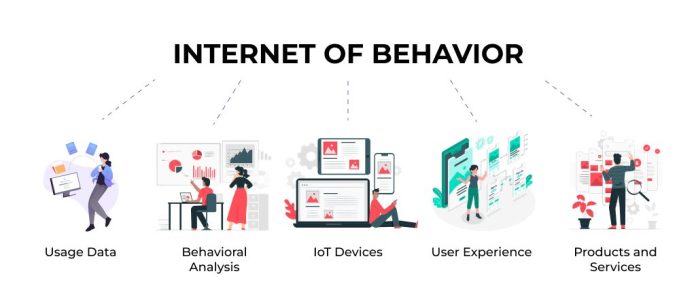
In a digital landscape defined by data, the Internet of Behaviors (IoB) is emerging as a powerful tool that goes beyond traditional analytics. IoB involves gathering and analyzing data on how individuals interact with technology, both online and offline, to understand behavior patterns and drive more personalized marketing strategies. This advanced approach can transform how brands connect with consumers by anticipating needs, optimizing engagement, and ultimately, driving better business outcomes.

What Is the Internet of Behaviors (IoB)?

At its core, the IoB builds on the Internet of Things (IoT) by not only collecting data from connected devices but also interpreting how behaviors influence decision-making. This involves:

  • Data Collection: Leveraging sensors, wearables, mobile apps, and online interactions to capture detailed behavioral data.

  • Behavioral Analytics: Utilizing artificial intelligence and machine learning to decode patterns and predict consumer actions.

  • Actionable Insights: Transforming raw data into strategies that can enhance customer experiences and inform targeted marketing campaigns.

The Impact of IoB on Marketing

The insights generated by IoB have the potential to revolutionize marketing strategies in several key ways:

1. Hyper-Personalization

IoB enables marketers to understand not just who their customers are, but how they behave in various contexts. This deep understanding allows for the creation of highly personalized campaigns that:

  • Tailor Messages: Deliver personalized content and offers based on individual behavior and preferences.

  • Improve Engagement: Increase customer satisfaction by anticipating needs and providing solutions before they’re even requested.

2. Predictive Analytics and Consumer Insights

By analyzing behavior data, brands can predict future trends and consumer actions. This predictive power helps marketers:

  • Forecast Demand: Anticipate shifts in customer interests and market trends to adjust inventory and marketing tactics.

  • Optimize Timing: Determine the most effective moments to engage customers with timely offers and communications.

3. Enhanced Customer Experience

IoB empowers businesses to create seamless, intuitive experiences by:

  • Streamlining Interactions: Using behavioral cues to simplify the customer journey across various touchpoints.

  • Proactive Service: Identifying potential issues before they arise and addressing them proactively, thereby improving overall satisfaction.

4. Ethical Considerations and Data Privacy

With great power comes great responsibility. As IoB relies on sensitive behavioral data, marketers must:

  • Ensure Transparency: Clearly communicate how data is collected and used, building trust with consumers.

  • Prioritize Privacy: Adhere to data protection regulations and implement robust security measures to safeguard personal information.

  • Promote Ethical Use: Balance personalization with respect for consumer privacy, ensuring that marketing practices are both effective and ethical.

Actionable Steps for Integrating IoB into Your Marketing Strategy

  1. Invest in Advanced Analytics Tools:
    Utilize AI and machine learning platforms capable of analyzing complex behavioral data. These tools can help decode patterns and reveal insights that traditional analytics might miss.

  2. Collaborate Across Departments:
    Ensure that marketing teams work closely with IT, data security, and customer service departments. A holistic approach ensures that behavioral insights are used responsibly and effectively.

  3. Develop a Clear Data Privacy Policy:
    Transparency is key. Clearly outline how you collect, store, and use behavioral data, and ensure your practices comply with relevant regulations.

  4. Test and Optimize Campaigns:
    Use A/B testing and other optimization techniques to measure the impact of IoB-driven strategies. Continuously refine your approach based on real-time feedback and analytics.

  5. Educate Your Team:
    Keep your team updated on the latest trends in IoB and data analytics. Training and development will help them understand how to leverage behavioral insights to enhance marketing outcomes.

The Future of Marketing with IoB

As IoB technology matures, its integration into marketing strategies is set to become even more refined. The ability to predict and influence consumer behavior in real time offers unprecedented opportunities for brands willing to embrace this shift. While challenges around privacy and ethical use remain, those who navigate these waters with transparency and integrity stand to gain a significant competitive edge.

By harnessing the power of the Internet of Behaviors, marketers can transform raw data into meaningful, personalized experiences that resonate with today’s savvy consumers. The journey toward a more intuitive, behavior-driven approach to marketing starts now—are you ready to take the leap?