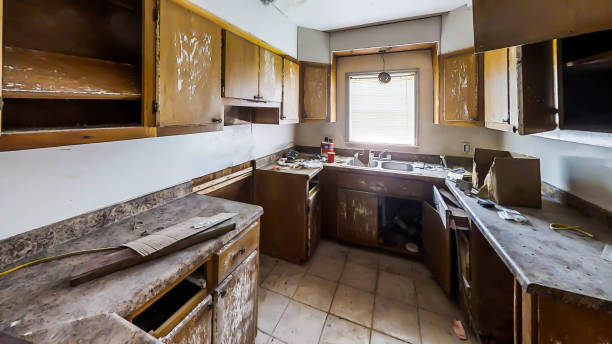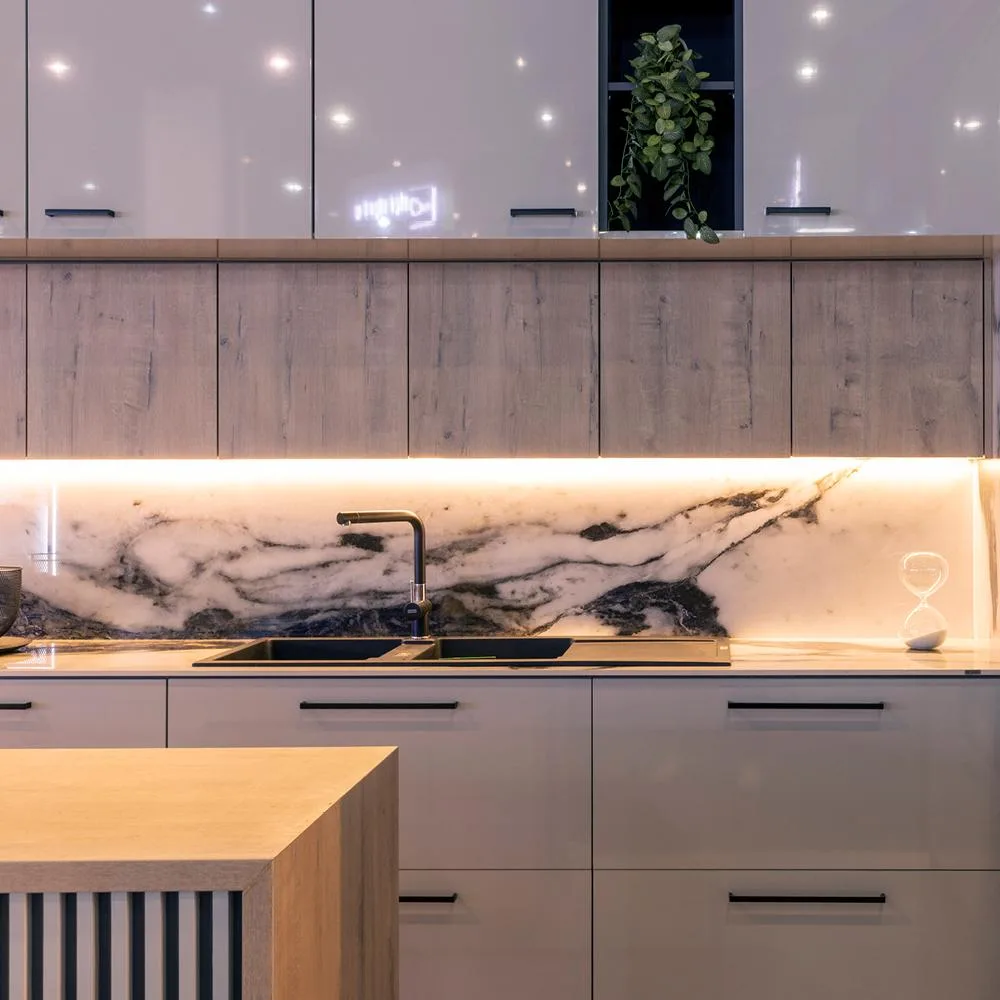

There’s a particular disappointment that comes with a kitchen that ages too quickly. At first, everything feels right. The layout works. The colours pop. The drawers glide. Visitors compliment the space. Then, almost without warning, the shine fades. Doors don’t sit the same way they did. Edges start lifting near the sink. Drawers feel heavier, slower, less cooperative. The kitchen still functions—but it no longer feels new.
When this happens, the instinctive reaction is to blame the carpenter. After all, they’re the visible hand behind the work. But in many Zimbabwean homes, that assumption misses the real story. The truth is uncomfortable but important: most kitchens that “age badly” were set up to do so long before installation day.
Age is not time—it’s stress showing itself
A kitchen doesn’t look old because twelve months passed. It looks old because stress accumulated faster than the materials could handle. Heat, moisture, daily movement, cleaning chemicals, and repeated loading all leave fingerprints. When the underlying materials are not chosen with these stresses in mind, wear accelerates.
In Zimbabwe, kitchens face particularly unforgiving conditions. Temperature swings are common. Moisture management is inconsistent. Families use their kitchens hard. When materials are selected for appearance or price rather than performance—age shows early.
The difference between “looking finished” and “being finished”
On installation day, most kitchens look finished. But many are not finished in the professional sense. True finishing is not just about clean lines and neat handles. It’s about sealed edges, stable cores, precise alignment, and fittings that are matched to weight and frequency of use.
A kitchen can look excellent while quietly carrying weaknesses. Those weaknesses reveal themselves later—when the novelty is gone and the kitchen is asked to perform like a kitchen, not a showroom display.
Boards set the pace for how fast a kitchen ages
Boards are the skeleton of the kitchen. They determine how well screws hold, how stable panels remain, and how surfaces respond to moisture and heat. When boards are inconsistent or unsuitable, aging speeds up dramatically.
One common mistake is choosing boards based on surface appearance alone. Two boards can look identical on the outside and perform very differently over time. One holds its shape, seals well, and stays solid. The other chips easily, absorbs moisture once edges are compromised, and gradually loses integrity.
When kitchens “age badly,” the board choice is often the quiet culprit.
Edges tell the real story
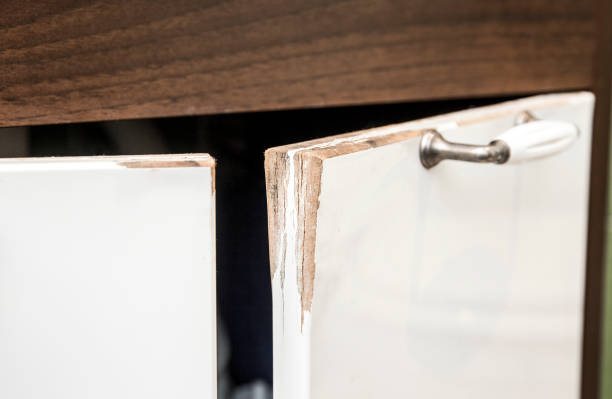
If you want to know how a kitchen will age, look at its edges. Edges are where life happenswhere water splashes, where hands pull, where impacts land. They are also where poor finishing shows first.
When edging is rushed or treated as decorative rather than protective, moisture finds its way into the board core. Once that happens, swelling and peeling follow. No amount of surface cleaning or adjustment can reverse it.
This is why professional kitchens obsess over edging. Properly sealed edges don’t just look better; they slow aging dramatically.
Precision prevents premature wear
Another reason kitchens start feeling “old” too soon is subtle misalignment. Doors that aren’t perfectly square stress hinges. Drawers that don’t sit true rub against frames. Cabinets that are slightly off-level require constant adjustment.
These issues often trace back to cutting accuracy. Precision cutting reduces friction, distributes load evenly, and allows fittings to work as designed. In contrast, imprecise cutting creates constant micro-stress—tiny forces that add up over months of use.
Professional cut-and-edge services exist for a reason: they reduce these hidden stresses before the kitchen ever reaches site.
Fittings determine how a kitchen feels
A kitchen’s age is often felt before it is seen. Drawers feel heavier. Doors don’t close cleanly. Movement becomes noisy or resistant. These sensations come from fittings.
Hinges and runners are mechanical components, and like all mechanical components, they wear according to how well they’re matched to their task. When fittings are under-rated or cheaply made, they degrade quickly. When they’re chosen properly, they quietly do their job for years.
Clients may not know the brand of a hinge, but they know when a drawer annoys them every day.
Why the carpenter takes the blame
When a kitchen starts looking old, the carpenter becomes the easiest target. Yet in many cases, the carpenter worked with the materials supplied, within the budget approved, under the constraints set by the project. The outcome reflects the weakest decision in the chain—not necessarily the skill of the installer.
Understanding this shifts how kitchens should be planned. Instead of asking only who will build it, successful projects ask what it will be built from, how it will be prepared, and who is supplying those materials.
Supply is where longevity is decided
Kitchens that age well usually have one thing in common: their materials came from suppliers who understand cabinetry as a system. Boards, edging, fittings, and cutting are treated as interdependent not as separate purchases made wherever stock happens to be available.
In markets like Harare, where clients are increasingly quality-conscious, specialist supply makes a measurable difference. Suppliers such as Buildware focus on boards and fittings accessories for cabinet manufacturing and interior fitting, supported by professional cut-and-edge services. This approach reduces the hidden compromises that cause kitchens to age too fast.
Aging is not inevitable—bad decisions are
Kitchens do not have to lose their freshness within a year. When boards are chosen for performance, edges are sealed properly, cutting is precise, and fittings are matched to use, kitchens age slowly and gracefully. They feel solid. They remain aligned. They continue to work quietly in the background of daily life.
If your last kitchen disappointed you, the lesson is not to lose faith in carpenters. It’s to pay closer attention to the decisions made before the first cabinet is built.
Because a kitchen doesn’t look old too fast by accident.
It looks old because someone, somewhere, made a shortcut decision early and the kitchen remembered.