
In Zimbabwe, a new kitchen is often a moment of pride. It represents progress, investment, and the satisfaction of seeing an idea turn into something tangible. On installation day, everything looks perfect: doors align neatly, drawers slide smoothly, surfaces shine, and the space feels transformed. Friends compliment it. Photos are shared. The project feels complete.
Then, slowly, the problems begin.
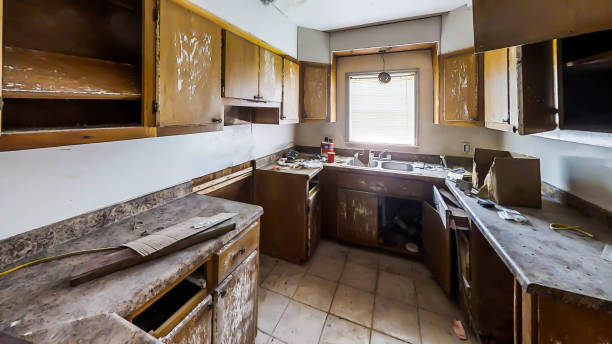
A door near the sink starts swelling. An edge begins to peel. A drawer no longer closes the way it used to. Shelves feel weaker. Within a year—sometimes much sooner—the kitchen no longer feels “new.” What makes this frustrating is that most homeowners and even some builders don’t understand why this happens. The assumption is usually simple: the carpenter did a bad job.
In reality, most kitchen failures in Zimbabwe do not start with workmanship. They start much earlier, with decisions that are invisible once the kitchen is installed material choices, finishing quality, and supply standards.
The harsh reality of Zimbabwean kitchen conditions
Kitchens in Zimbabwe operate under demanding conditions that quickly expose weak materials. Heat fluctuates dramatically throughout the year. Moisture is unavoidable around sinks, dishwashing areas, and food preparation zones. Cleaning chemicals are used frequently. In family homes, cabinets are opened and closed dozens of times a day. In some cases, kitchens are expected to perform like commercial spaces while being built with residential-grade materials.
These conditions are not forgiving. A kitchen that is built using boards and fittings not suited for this environment will almost always begin to fail early—no matter how good it looked on day one.
The excitement trap: why problems don’t show immediately
One of the reasons kitchen failures feel “unexpected” is that poor material choices don’t fail instantly. Weak boards don’t collapse overnight. Poor edging doesn’t peel the first week. Cheap fittings don’t break during installation.
Instead, failure is gradual. Moisture slowly penetrates unsealed edges. Heat weakens adhesives over time. Repeated movement wears down low-quality hinges and runners. By the time the problem is visible, the root cause is already embedded deep inside the cabinet structure.
This delayed failure creates confusion and blame. The installer is accused. The designer is questioned. But the real issue lies in what the kitchen was made from—and how it was prepared—long before installation.
Boards: the silent foundation of every kitchen
Boards form the structural backbone of every kitchen cabinet. They carry weight, hold screws, support doors, and protect internal spaces. When boards are inconsistent, low-density, or poorly finished, they become the first point of failure.
In many failing kitchens, the boards used were selected based on price or availability rather than suitability. Some boards chip easily during cutting. Others do not hold screws well. Some absorb moisture aggressively once edges are compromised. These weaknesses don’t show on installation day—but they dominate the kitchen’s lifespan.
This is why professional cabinet makers and interior fitters insist that boards are not just boards. They are performance materials, and the kitchen will only perform as well as they allow.
Why edging matters more than most people realise
If kitchens had a “weak spot,” it would be the edges.
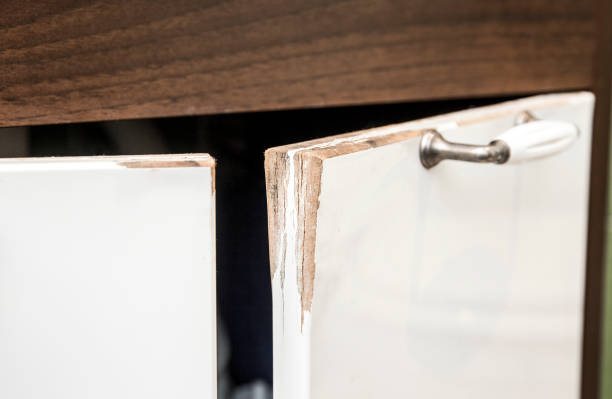
Edges are where moisture enters first. They are where cleaning water pools. They are where impacts occur during daily use. When edging is rushed, uneven, or poorly sealed, the board core becomes exposed. Once that happens, swelling and peeling are inevitable.
Many kitchens in Zimbabwe fail not because the board itself was terrible, but because the edging was treated as a cosmetic step instead of a protective one. Proper edging seals the board, preserves its structure, and significantly extends the life of the cabinet. Poor edging shortens it dramatically.
Precision cutting: the difference between neat and professional
Another overlooked cause of early kitchen failure is inaccurate cutting. Small measurement errors create larger structural problems later. Doors become misaligned. Drawers rub against frames. Cabinets require constant adjustment to “look right.”
Professional kitchens rely on precision—not improvisation. Accurate cutting ensures that panels fit perfectly, stress is evenly distributed, and components do not fight against each other during use. This is where professional cut-and-edge services make a measurable difference. They reduce waste, speed up installation, and improve long-term performance.
Fittings: where kitchens feel cheap or solid
Even when boards and edging are done well, kitchens can still fail through poor fittings. Hinges, drawer runners, and internal accessories are the parts users interact with every day. When they are under-rated or low quality, they degrade quickly.
Doors begin to sag. Drawers stick or collapse. Cupboards feel loose. The kitchen starts to feel “cheap,” even if the materials look good on the surface. This is why professional kitchens use fittings matched to cabinet size, weight, and usage—not whatever is cheapest at the time of purchase.
The role of suppliers in kitchen success
By now, a pattern should be clear: many kitchen failures are not installation failures, but supply failures. The wrong boards, rushed finishing, inconsistent cutting, and weak fittings create problems that no amount of skill can permanently fix.
This is why serious cabinet makers, designers, and contractors choose specialist suppliers—partners who understand cabinetry as a system, not just a sale.
In Zimbabwe, particularly in cities like Harare, this approach is becoming more important as clients demand better finishes and longer-lasting results. Suppliers like Buildware (registered as Ramaboards Pvt Ltd) focus specifically on boards and fittings accessories for cabinet manufacturing and interior fitting, supported by professional cut-and-edge services. This kind of specialist support removes many of the hidden risks that cause kitchens to fail quietly over time.
Why blaming carpenters misses the real issue
When a kitchen starts failing, blaming the carpenter is easy. It feels logical. But in many cases, the carpenter worked with what was supplied. They cut what was bought. They installed what was available. The outcome reflects the weakest link in the chain.
Understanding this changes how kitchens should be planned. Instead of starting with colours and handles, successful projects start with materials, finishing standards, and suppliers who can support quality from the beginning.
The real lesson: kitchens don’t fail suddenly—they are built to fail
Most kitchens in Zimbabwe that fail within 12 months were never built to last. Not intentionally, but by default. By choosing materials based on price instead of performance. By treating edging as decoration instead of protection. By ignoring precision. By underestimating the importance of fittings.
The good news is that this is avoidable.
Kitchens that last are not accidents. They are the result of informed choices, professional preparation, and reliable supply.
If you want your next kitchen project to still feel solid years later, don’t ask only who will install it. Ask what it will be made of and who is supplying it.