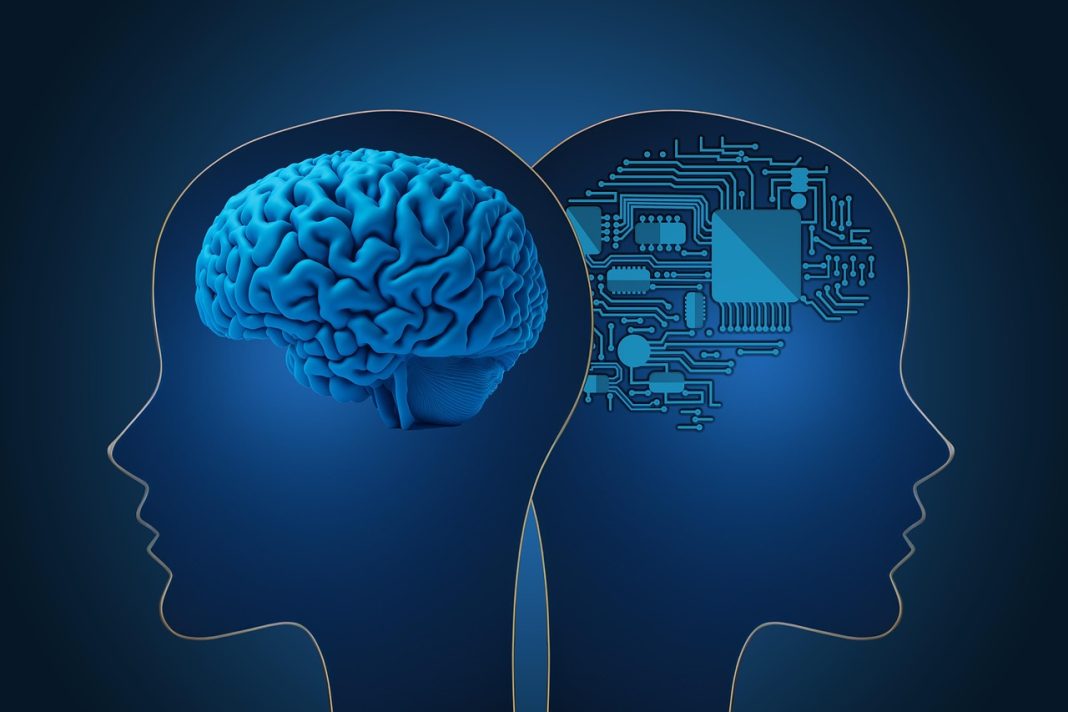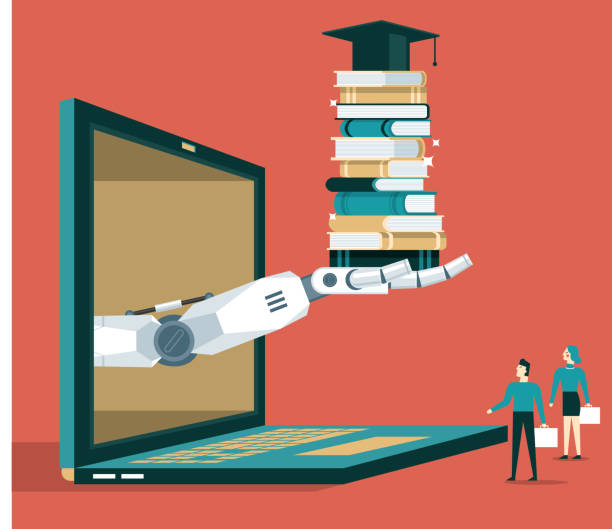

Artificial Intelligence (AI) has transformed education in ways that were unimaginable a decade ago. From virtual tutors to homework helpers, AI tools are reshaping how students learn—but they’re also changing how students approach exams. In 2026, this has become a hot topic: is AI a helpful study aid, or is it turning students into shortcut-seekers?
The answer lies somewhere in between, and both students and schools are adapting fast. Let’s take a deep dive.
AI in the Classroom: Study Aid or Shortcut?
AI tools like chatbots, intelligent tutoring systems, and automated problem solvers are now widely available. Students are using them to:
-
Explain difficult concepts in simpler terms.
-
Generate practice questions and mock exams.
-
Summarize textbooks or lecture notes in minutes.
-
Get essay outlines or even full drafts for assignments.
For many students, AI is like having a personal tutor available 24/7—a way to learn efficiently and fill knowledge gaps quickly.
But there’s a flip side. Some students are using AI to bypass learning entirely, generating answers during exams or submitting essays without fully understanding the material. While this may seem convenient in the short term, educators warn it could hinder deep learning and critical thinking skills in the long run.
Real Examples from Students
Across the globe, students are experimenting with AI in creative ways:
-
Essay Drafts: Students input a topic, and AI generates a full essay in minutes. Some use it as a foundation, while others submit it as-is.
-
Problem Solving: Math and science students use AI to solve complex problems, sometimes without attempting them manually first.
-
Exam Prep: AI can simulate multiple-choice tests or predict likely exam questions based on past papers.
These methods can boost confidence and performance, but they also raise ethical questions about academic integrity.
How Schools Are Responding
Educators are scrambling to adapt policies and teaching methods to this new reality. Some of the strategies include:
1. AI-Aware Testing
Schools are designing assessments that cannot be easily solved by AI, such as:
-
Open-ended questions requiring personal reflection.
-
Project-based assignments evaluated on originality and process.
-
Oral exams and presentations where real-time reasoning is tested.
2. AI Detection Tools
Just like plagiarism detectors, schools are investing in AI-content detection software to flag essays or answers that appear to be AI-generated. This helps maintain fairness and academic standards.
3. Teaching Digital Literacy
Rather than banning AI outright, many institutions are teaching students how to use AI responsibly. This includes:
-
Using AI as a study aid, not a replacement for learning.
-
Evaluating AI outputs critically instead of taking them at face value.
-
Understanding the ethical implications of submitting AI-generated work.
4. Rethinking Learning Goals
Some educators argue that AI highlights a bigger issue: education needs to focus on skills AI can’t replace, such as creativity, critical thinking, collaboration, and emotional intelligence. Exams are evolving to assess these abilities rather than rote memorization.
The Debate: Smarter Students or Lazier Ones?
AI has sparked intense debate:
-
Proponents argue that AI makes students smarter by providing instant access to information, personalized explanations, and efficient study strategies.
-
Critics warn that overreliance fosters laziness, reduces deep understanding, and encourages shortcuts that could backfire in higher education or careers.
The reality is nuanced: AI can enhance learning or hinder it, depending on how students and educators approach it.
What Students Can Do to Stay Ahead
If you’re a student or lifelong learner, here’s how to leverage AI effectively without falling into the trap of laziness:
-
Use AI as a tutor, not a cheat tool.
-
Verify AI-generated answers with textbooks, notes, or credible sources.
-
Practice critical thinking by analyzing AI suggestions instead of accepting them blindly.
-
Focus on skills AI cannot replace, like creativity, problem-solving, and communication.
-
Balance convenience with effort—shortcuts are only useful when paired with genuine understanding.
The Bottom Line
AI is transforming education, and there’s no turning back. Students who use AI responsibly can gain deeper understanding, efficiency, and skills that enhance learning. Those who rely on AI as a shortcut risk undermining their own intellectual growth.
Schools are adapting, creating a new academic landscape where human judgment, creativity, and critical thinking matter more than ever. In 2026, success isn’t about avoiding AI—it’s about using it wisely to learn smarter, not just faster.