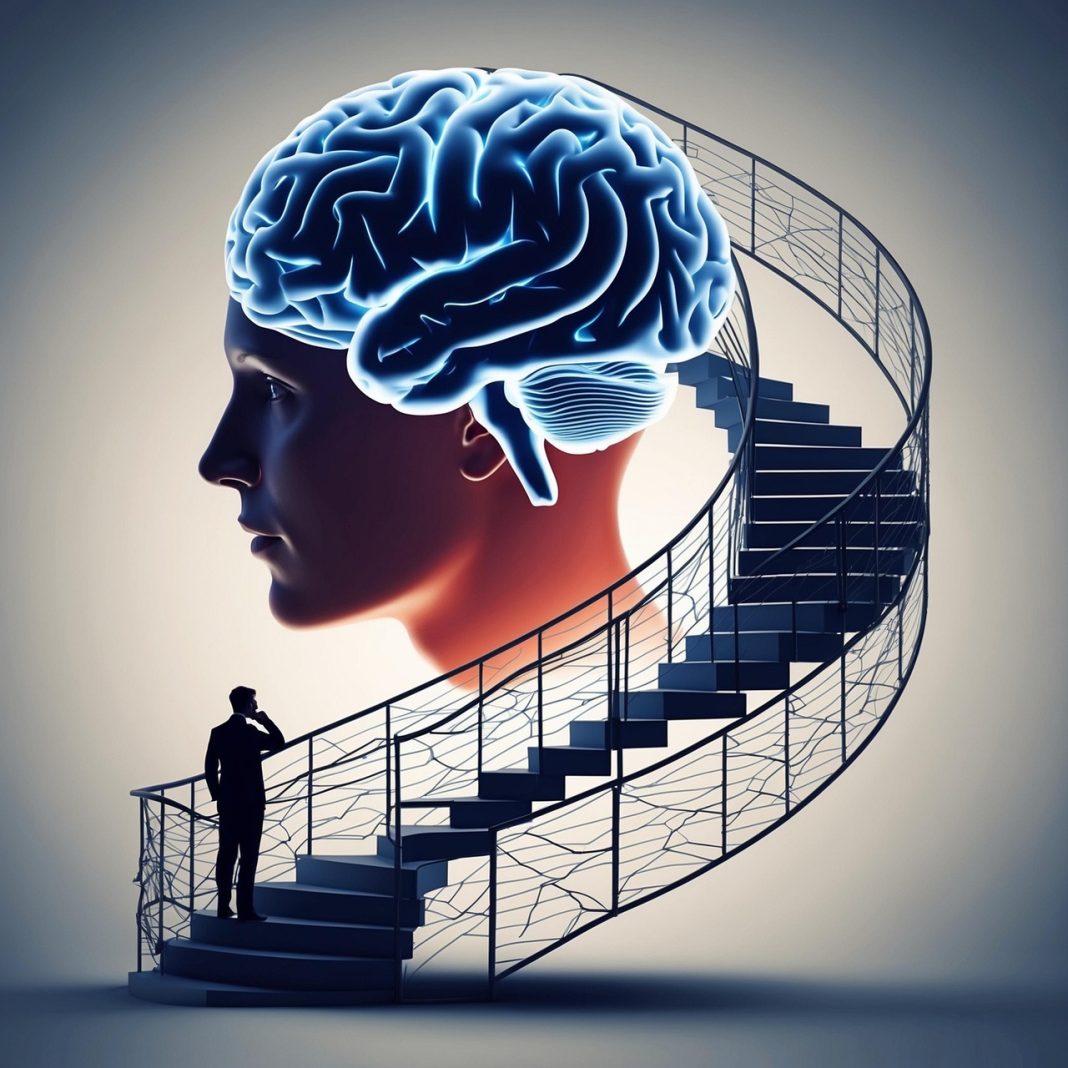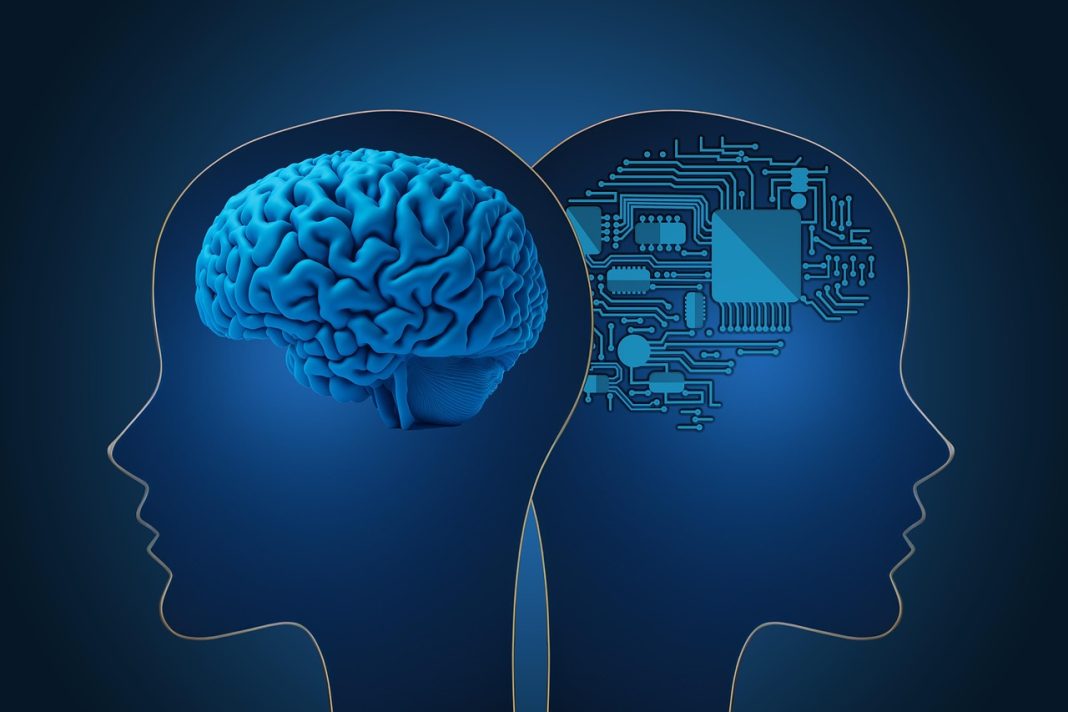

Artificial Intelligence (AI) is everywhere. It powers your smartphone, recommends what to watch next, drafts emails, and even helps write essays or code. But with all this convenience, a question looms large: is AI making us smarter, or is it turning us into a generation of lazy thinkers?
The answer isn’t black or white. AI can supercharge human intelligence—or, if misused, weaken critical thinking skills. Let’s break down the debate.
How AI Can Make People Smarter
AI tools can boost learning, productivity, and creativity in ways humans never imagined:
1. Accelerated Learning and Knowledge Access
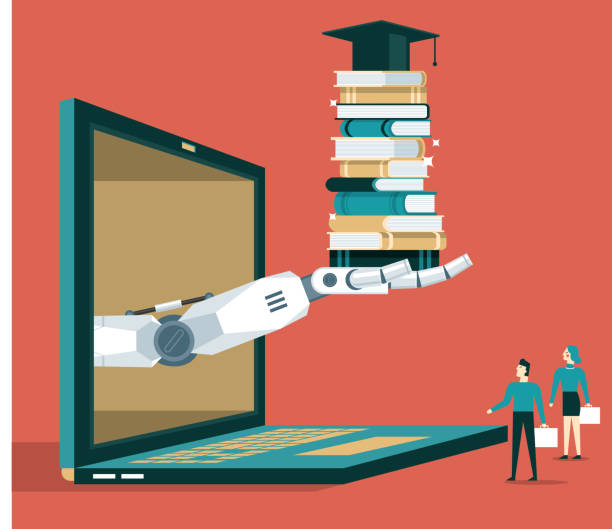
Need to research a complex topic in minutes? AI can summarize, analyze, and even explain concepts in simple language. Students, entrepreneurs, and professionals can now learn faster than ever before. AI acts like a personal tutor available 24/7, helping people grasp difficult subjects and make informed decisions.
2. Boosting Productivity
Tasks that once took hours—data analysis, content creation, even coding—can now be completed in minutes. For example, AI can draft reports, generate marketing copy, or analyze spreadsheets automatically. This frees humans to focus on creative problem-solving, strategy, and innovation, essentially allowing us to work smarter, not harder.
3. Sparking Creativity
Contrary to the fear that AI kills originality, many creatives are using AI as a collaborative partner. Artists, writers, and designers can brainstorm ideas faster, iterate designs, and explore concepts they might never have considered. AI doesn’t replace imagination; it amplifies it.
4. Decision Support
In business, AI can analyze huge datasets to reveal patterns humans might miss. This helps executives, doctors, and analysts make data-driven decisions with greater accuracy, potentially saving lives and resources.
In these ways, AI acts like a cognitive supercharger, expanding what humans are capable of achieving.
How AI Can Make People Lazier
But there’s a darker side. Over-reliance on AI can erode skills and critical thinking if we’re not careful:
1. Reduced Problem-Solving Effort
When AI provides instant answers, people may stop thinking critically or attempting problems themselves. Over time, this can weaken analytical skills and memory retention.
2. Overdependence on Technology
From navigation apps to AI writing assistants, humans are outsourcing cognitive tasks. While convenient, this can make us less self-reliant. We risk losing the ability to do things independently—a modern version of the “calculator effect,” where reliance on tools diminishes mental math skills.
3. Decreased Attention and Focus
AI often works best when integrated into fast-paced digital ecosystems—recommendation algorithms, notifications, and chatbots. Overexposure can train the brain to crave instant answers, reducing patience and deep focus needed for complex problem-solving.
4. The Illusion of Knowledge
AI can generate convincing but sometimes inaccurate information. People may assume that an AI-generated answer is correct without questioning it, which can foster intellectual complacency.
Experts Weigh In
Researchers are divided:
-
Optimists argue that AI is a tool that augments human intelligence. They point to examples of AI helping doctors diagnose diseases faster, students learn more effectively, and businesses make smarter decisions.
-
Skeptics warn that AI may erode core human skills over time. They caution that relying too heavily on AI could reduce critical thinking, creativity, and even social skills.
The consensus? AI isn’t inherently good or bad—it depends on how we use it.
Striking the Balance
The real question isn’t whether AI makes us smarter or lazier—it’s how we interact with it. Here are strategies to maximize AI’s benefits while avoiding its pitfalls:
-
Use AI as a Partner, Not a Crutch
Treat AI as a tool for augmentation, not replacement. Let it handle repetitive tasks while you focus on critical thinking and strategy. -
Question AI Outputs
Always verify AI-generated answers. Cross-reference information, and don’t assume the technology is infallible. -
Practice Core Skills
Continue practicing math, writing, coding, or problem-solving independently to keep your cognitive muscles strong. -
Limit Over-Reliance
Set boundaries on AI usage. For example, try solving a problem yourself before consulting AI. -
Leverage AI for Learning
Use AI to explore new concepts, simulate scenarios, or brainstorm creative ideas—it should expand your thinking, not replace it.
The Bottom Line
AI is a double-edged sword. It has the potential to make us smarter, faster, and more creative—but only if we use it wisely. Left unchecked, it can make us lazier, more dependent, and less critical.
The future belongs to those who strike the balance: embracing AI as a partner while retaining human curiosity, judgment, and creativity. In 2026, intelligence isn’t just about what you know—it’s about how you use tools like AI to think, learn, and innovate.